Independent China procurement Send a specification

China procurement desk · Passenger and commercial tires

Continental tire sourcing starts with the application

Send your size list, axle duty and destination market. We coordinate supplier comparison, samples and document review around the specification your buyers will use.

Tire programs

Build the size mix around the job

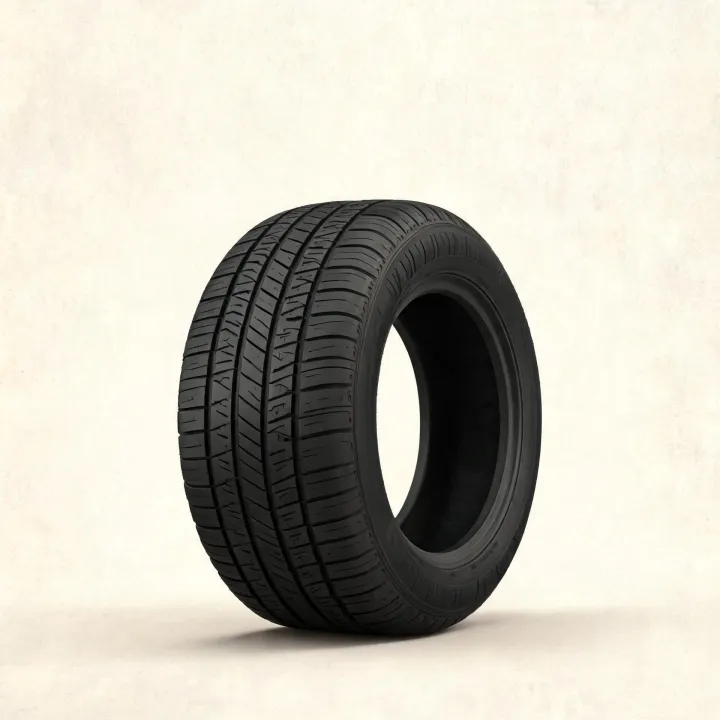
Illustrative passenger tire with road tread

Passenger car

Replacement size matrix

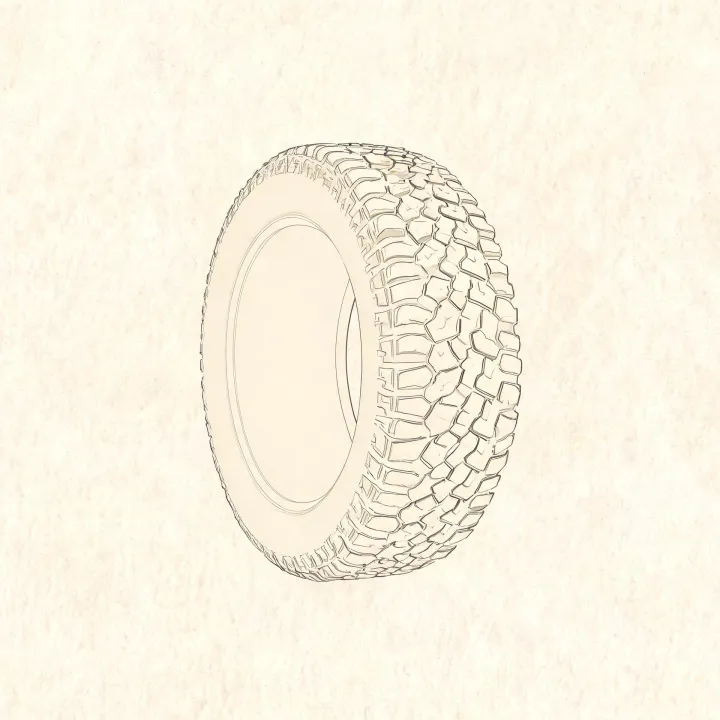
Illustrative SUV and light-truck tire

SUV and light truck

Road and mixed duty

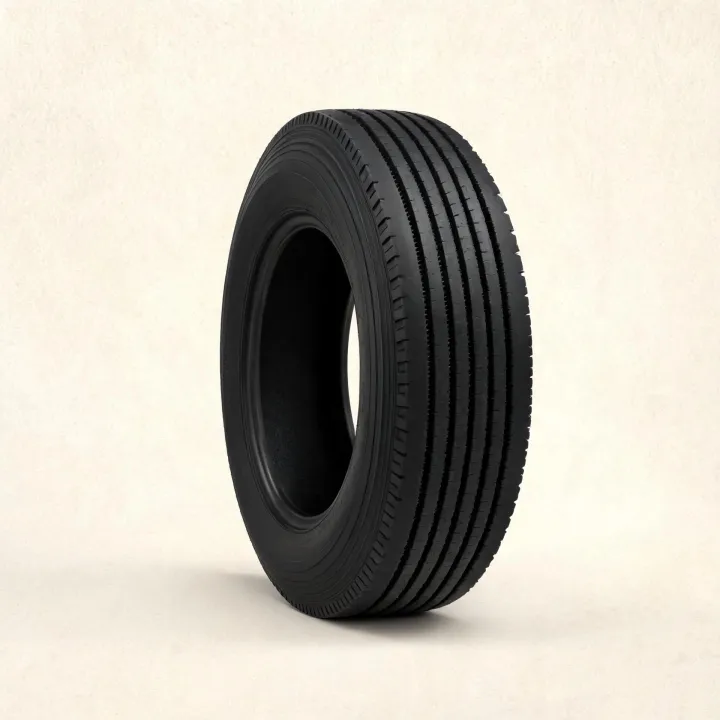
Illustrative commercial truck tire

Truck and bus

Axle-position requirements

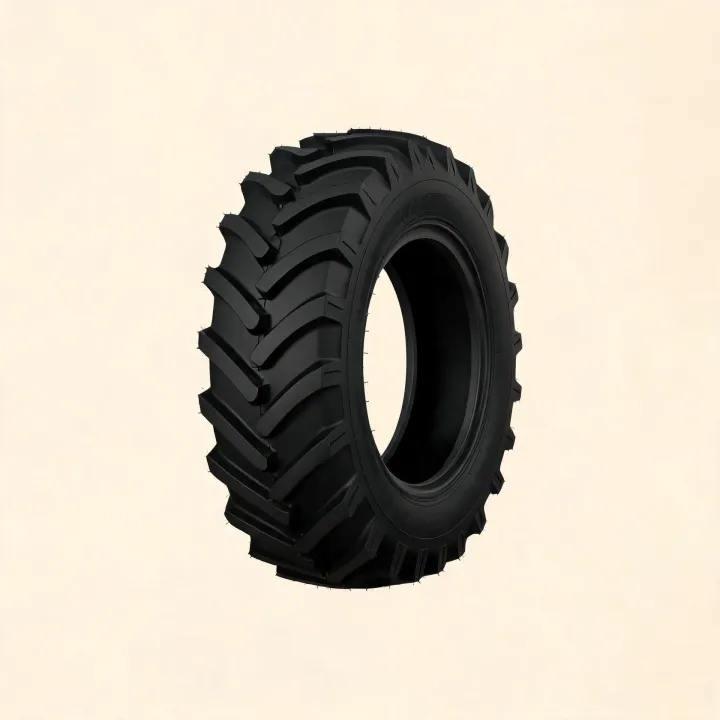
Illustrative agricultural service tire

Agricultural and specialty

Casing and duty profile

Specification intake

Separate the size from the service conditions

Identification and limits

Service description
Record the complete size, load index and speed rating. For an illustrative line like 225/45R18 95W, record 95W beside the size so the supplier can confirm both against the buyer brief.
Duty and fit
Record the axle position, tread pattern, approved rim width, rim diameter and operating load. For dual fitment, request the dual-load basis and the spacing requirement.

Commercial handoff

Line quantities
Separate the core size mix from optional lines so each supplier can quote packaging and minimum order by SKU. For an illustrative order of 400 units in one size and 160 in another, request two line quantities and a shared total of 560 units.
Destination and evidence
Provide target market, destination port and required sidewall markings. Align document scope, named place and Incoterm before comparing prices.

Working sequence

Four decisions before loading

  1. 01

    Freeze the brief

    Split required load index, speed rating and size from preferences such as tread design or packaging.

  2. 02

    Compare offers

    Put each tire quote on the same Incoterm and named place. Keep optional sizes and minimum order quantities separate.

  3. 03

    Review the sample

    Compare molded markings, casing description and the supplier drawing to the requested size and construction.

  4. 04

    Check the load plan

    Reconcile quantities by SKU, packaging marks, lot identifiers and shipping documents with the buyer and forwarder.

Application views

Start with your purchasing channel

Specification record
Comparison sheet
Sample record
Shipment checklist

Buyer questions

Where tire offers start to diverge

Can one load index cover every axle?

Give each axle position its own requirement. Compare single and dual load information as applicable, and ask the supplier to identify the load and inflation basis for the exact tire size.

Is lower rolling resistance the deciding factor?

Lower rolling resistance may matter for long highway routes. For wet routes or abrasive surfaces, also evaluate wet grip, tread wear and casing conditions. Compare the same tire class and test method before ranking results.

Should I source the whole list from one supplier?

A single supplier simplifies labels and lot control. Multiple suppliers can cover more sizes, but each line needs its own sample, evidence and packing reconciliation.

How do existing and custom tire lines compare?

An existing SKU may reduce development work if its size and markings match. A custom specification can fit a tighter brief but introduces sample approval and supplier-specific MOQ and timing.

Send the working specification

Give suppliers a brief they can quote line by line

Start with the required tires. Flag proposed substitutions for separate review.

  • Size and service description for each line
  • Axle duty, tread and casing preferences
  • Quantity, target market and destination port